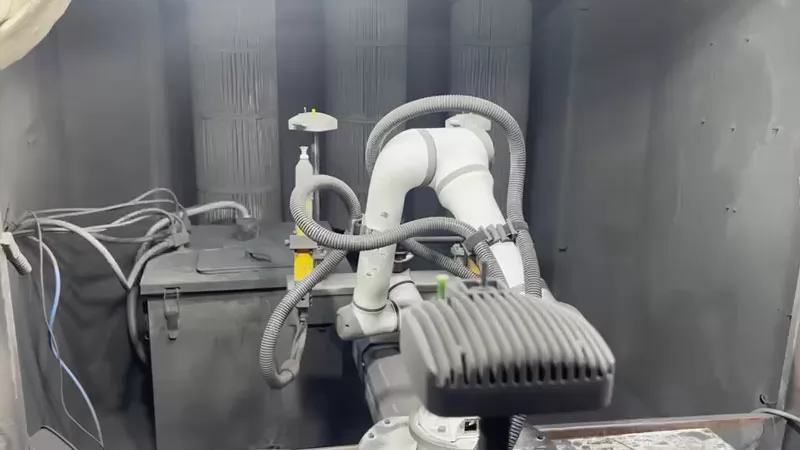
Our surface finishing facility has recently added several new robotic powder coating lines, marking another step forward in our manufacturing and surface treatment capabilities.
The investment is not simply about adding new equipment. It is aimed at creating a better working environment for our employees while improving coating consistency, production efficiency, and process control for our customers.
From Manual Spraying to Robotic Coating
In the past, some powder coating operations relied heavily on manual spraying.
Operators had to perform repetitive spraying work for extended periods while working around powder coating materials and spray mist. Although ventilation systems and personal protective equipment were used to support safe operations, reducing prolonged exposure and repetitive manual work remains an important part of improving the workplace.
With the introduction of robotic powder coating lines, more repetitive and high-frequency spraying operations can now be handled automatically.
Operators can focus more on **equipment operation, process monitoring, quality inspection, and production control**, rather than spending long periods performing repetitive spraying tasks.
This helps improve working conditions while allowing our employees to take on more technical and supervisory responsibilities.
More Consistent Coating Quality
Another important benefit of robotic powder coating is improved process consistency.
Manual spraying can be affected by factors such as spraying angle, gun distance, and operator movement speed. For components with complex geometries or demanding surface requirements, these variations can affect coating thickness and overall appearance.
Robotic systems can follow programmed parameters for:
.Spraying paths
.Gun-to-part distance
.Movement speed
.Spraying angles
.Number of passes
Production and quality teams can also monitor key process parameters and verify coating results through inspection and coating thickness measurements.
A more repeatable coating process provides better consistency from part to part and from batch to batch.**
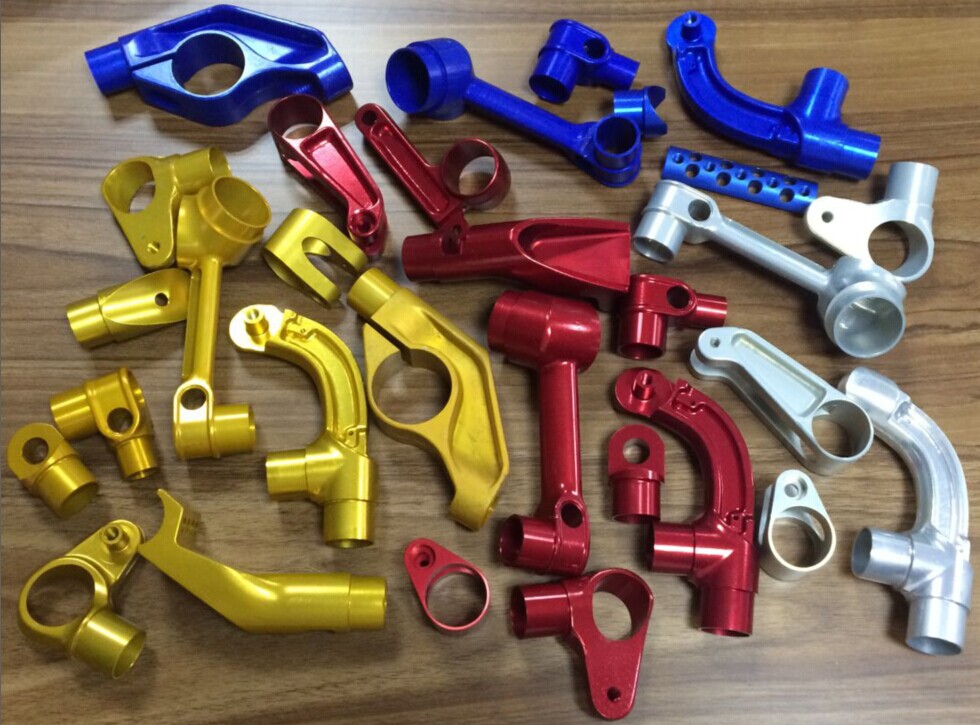
This is particularly important for customers purchasing finished **aluminum casting**, aluminum forged, and machined components that require a controlled surface finish.
Higher Efficiency for Production
The new robotic lines also improve production efficiency.
Robots can operate according to programmed cycles, maintaining a stable spraying rhythm while reducing variations caused by manual operation.
For high-volume production, this creates a more predictable production cycle and allows the surface finishing process to better connect with upstream manufacturing processes, including aluminum casting, aluminum forging, and CNC machining.
At the same time, operators can spend more time on equipment maintenance, process adjustments, first-piece verification, and quality inspection.
Automation is not simply about replacing manual work with machines. It is about allowing people and equipment to perform the tasks they are best suited for.
One Upgrade, Three Practical Improvements
The addition of robotic powder coating lines brings three key improvements:
Better Working Conditions
Less prolonged repetitive spraying work and greater focus on employee workplace protection.
More Consistent Quality
Programmed spraying paths and process parameters help improve coating thickness and surface consistency.
Higher Production Efficiency
Greater automation and a more stable production cycle provide stronger support for repeat and volume production.
For us, this equipment upgrade is not the end of the process.
As customer requirements for surface finishing continue to increase, we will continue improving our people, equipment, processes, and quality controls.
From aluminum casting and forging to CNC machining and surface finishing, our goal is to provide customers with a more integrated manufacturing solution—from customer drawings to finished components.
Better equipment. Better working conditions. More consistent results.

.png)


.png)
.png)
.png)

.png)


.png)

.png)

 +86-574-83008051
 sales@innovaw.com
.png)



.png)