In aluminum die casting, product quality starts long before molten metal enters the die. One of the essential daily tasks in our factory is furnace-side material inspection, which helps ensure that the molten alloy meets the required chemical composition before production begins and throughout the production process.
At INNOVAW, we follow a routine inspection procedure for the material in each melting furnace, combining sample collection, sample retention, and chemical composition analysis using a spectrometer.
1. Sampling from Every Melting Furnace
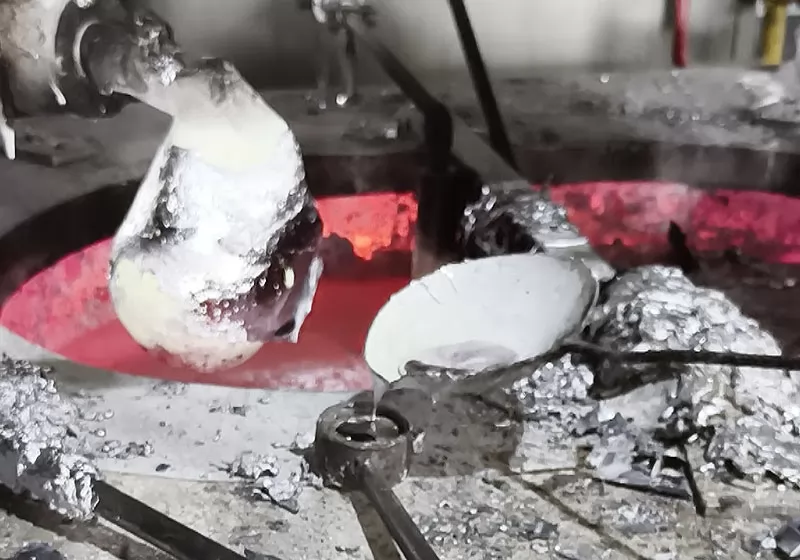
Each melting furnace is checked individually. Our quality personnel collect a molten metal sample from every furnace according to our established inspection procedures.
This step is essential because different furnaces may contain materials from different batches or experience different melting conditions. Testing each furnace helps us identify potential material variations before they affect production.
We treat furnace-side sampling as a necessary part of daily quality control, not simply a routine record-keeping task.
2. Chemical Composition Analysis with a Spectrometer
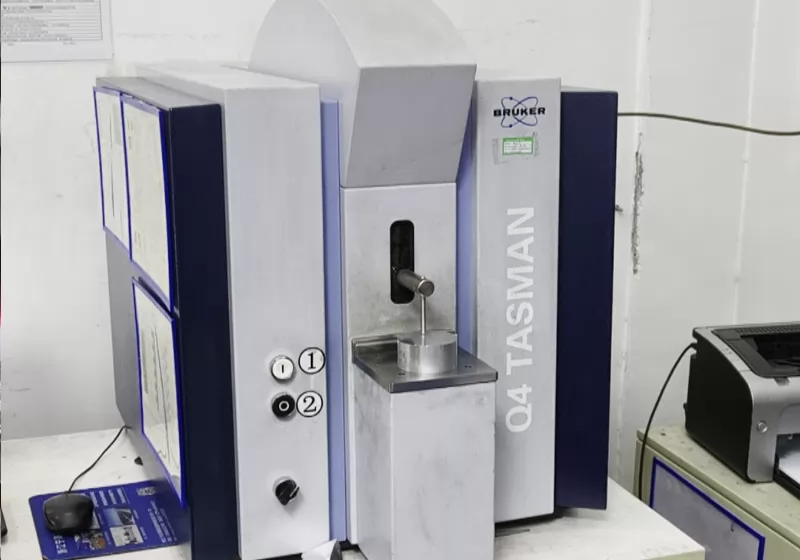
After sampling, we use a spectrometer to analyze the chemical composition of the aluminum alloy.
The analysis measures the content of key alloying elements and other relevant elements, allowing our quality team to verify whether the material meets the specified alloy grade and applicable chemical composition requirements.
If the results fall outside the required limits, the material must be evaluated and handled according to our nonconformance procedures before it is released for production.
By verifying the chemical composition at the furnace stage, we reduce the risk of unsuitable material entering the die casting process.
3. Sample Retention for Traceability
In addition to testing, we retain samples in accordance with our internal procedures.
These retained samples provide a reference for subsequent quality reviews and investigations if material-related concerns arise. Together with inspection records, they help us trace the material condition associated with a particular furnace and production period.
This practice strengthens our ability to investigate quality issues and supports more effective communication between production and quality teams.
4. Why Furnace-Side Inspection Matters
The chemical composition of an aluminum alloy directly influences its casting behavior and material properties. Variations outside the specified limits may affect fluidity, strength, mechanical performance, and the consistency of finished components.
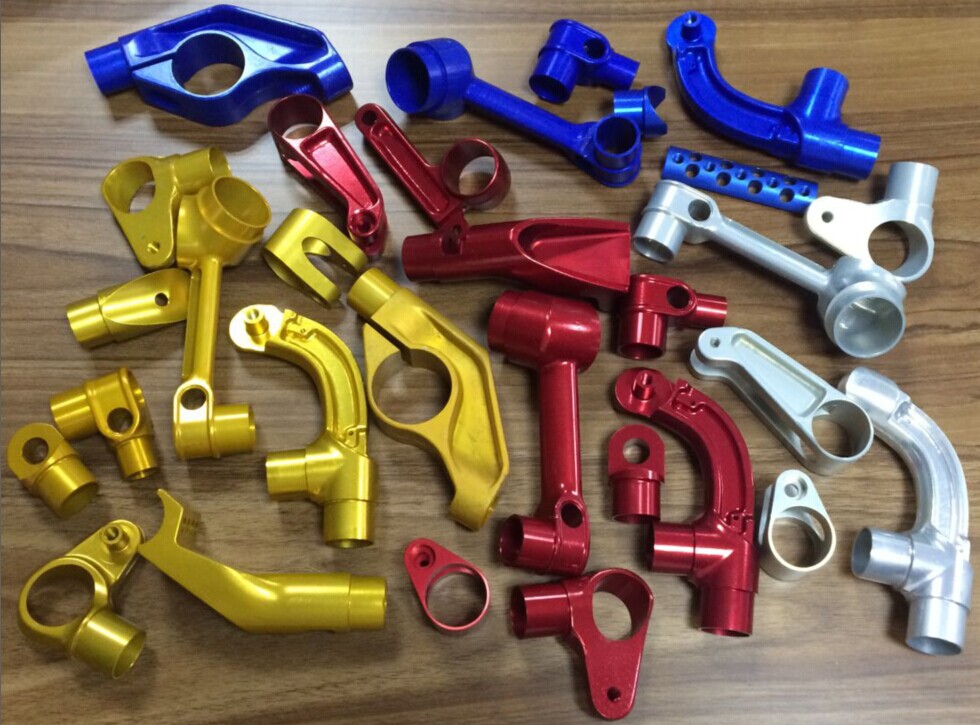
For custom die castings manufactured to customer drawings, controlling material composition is particularly important. Dimensional accuracy, machining performance, and other customer requirements all depend, in part, on using the correct material.
Furnace-side inspection helps us:
-Verify material compliance:Confirm that the alloy composition meets specified requirements before release.
-Prevent defects at the source:Identify material deviations before they affect casting production.
-Maintain batch traceability:Preserve samples and inspection records for future reference.
-Support consistent production:Reduce the risk of material-related variations between production runs.
Quality Control Begins Before Casting
At INNOVAW, quality control is not limited to inspecting finished parts. It begins with the raw material and continues through melting, die casting, CNC machining, and final inspection.
Our daily furnace-side inspection routine reflects this approach. By sampling every melting furnace, analyzing chemical composition with a spectrometer, and retaining samples for traceability, we establish an important quality checkpoint before the casting process begins.
For our customers, this means a more controlled manufacturing process and a stronger foundation for consistent, reliable aluminum die castings made to their drawings.

.png)


.png)
.png)
.png)

.png)


.png)

.png)

 +86-574-83008051
 sales@innovaw.com
.png)




.png)